Expert Tips for Catching Bass in Early Summer Mornings
Early summer mornings bring a distinct shift in bass behavior. As water temperatures rise and sunlight intensifies, bass often retreat to deeper, cooler areas later in the day. However, during the first hours of daylight, they actively patrol shallow zones, targeting baitfish, crayfish, and other prey. This predictable pattern makes early morning one of the most productive windows for anglers willing to start before dawn. Understanding how bass position themselves near cover and which lures can effectively trigger strikes is key to making the most of this period.
The shallow cover that holds bass in early summer includes lily pads, submerged logs, docks, weed edges, and rock piles. These structures provide shade, ambush points, and a concentration of forage. Bass in these areas are often less wary and more willing to commit to a well-presented lure. The challenge lies in selecting the right approach and presenting lures with enough stealth and precision to avoid spooking fish. This article explores practical methods for using topwater lures and plastic worms in these conditions, along with additional considerations for timing, positioning, and equipment.
While no single tactic guarantees success, understanding the factors that influence bass activity—water clarity, light levels, barometric pressure, and local forage availability—can help anglers make informed decisions. The following sections outline techniques and thought processes that many experienced anglers apply during early summer mornings.
Selecting and Presenting Topwater Lures
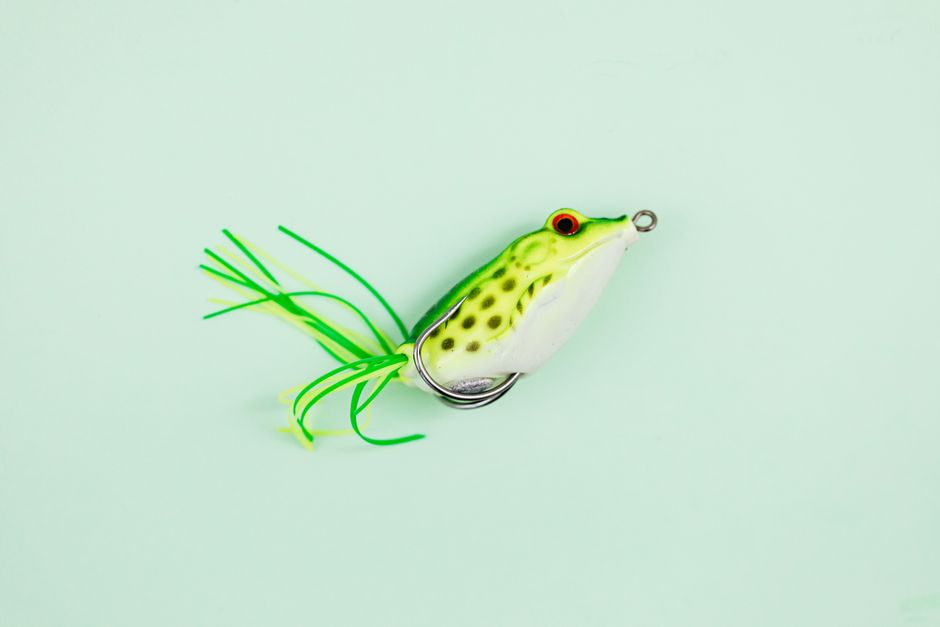
Topwater lures are a natural choice for early morning bass because they imitate vulnerable prey moving near the surface. In low-light conditions, the disturbance and silhouette of a topwater lure often trigger reaction strikes. Popular options include walking baits, poppers, buzzbaits, and prop baits. Each type creates a different action and sound, and the choice depends on the specific cover and the behavior of the bass in a given body of water.
Walking baits, such as the Zara Spook or similar stick-style lures, work well over open water near weed edges or over submerged grass. The technique involves a steady rod-tip twitch that makes the bait dart side to side. Anglers may vary the cadence, sometimes pausing longer between twitches, to see what the bass prefer. Poppers and chuggers create a popping sound and a splash, which can draw bass from under dense cover like lily pads or dock shadows. Buzzbaits, with their rotating blade, create a steady surface disturbance that covers water quickly and can entice aggressive fish in stained or slightly murky water.
When working topwater lures near shallow cover, it is important to cast beyond the target area and retrieve the lure past the likely holding spot. This reduces the chance of spooking the fish with the splash of the lure landing. Anglers may also experiment with different retrieval speeds and pauses, as bass sometimes want a slower presentation. If strikes occur but fish miss the lure, a brief pause of a few seconds before resuming the retrieve can encourage them to try again. It is worth noting that topwater action tends to diminish as the sun climbs higher, so focusing on the first hour or two after dawn often yields the most activity.
Effective Use of Plastic Worms in Shallow Cover
Plastic worms remain a versatile option for targeting bass in shallow cover, especially when topwater bites slow down or when bass become more cautious. Soft plastic worms can be rigged in several ways to suit different types of cover and bottom composition. Texas rigs, Carolina rigs, and shaky head rigs are common choices, each providing different degrees of weedlessness and bottom contact.
In heavy cover such as thick lily pads, hydrilla, or stumps, the Texas rig with a bullet weight and a wide-gap hook helps the worm slide through vegetation without snagging. Anglers typically use a weight heavy enough to get the worm down quickly but light enough to maintain a slow, natural descent. The worm can be crawled along the bottom, hopped over obstacles, or allowed to fall into openings in the cover. On rocky or sandy bottoms, a Carolina rig with a longer leader lets the worm drag behind a weight, creating a more subtle presentation that may appeal to less aggressive fish.
Shaky head rigs work well around docks, gravel banks, and sparse grass. The exposed hook and light jig head allow the worm to stand upright on the bottom, mimicking a feeding or resting posture. Anglers often let the worm sit still for several seconds after the cast and then twitch it intermittently. The key is to maintain contact with the worm and feel for any unusual resistance, as bass often pick up the worm without a hard strike. Setting the hook at the right moment requires attention: if the line moves laterally or feels heavy, a firm sweep of the rod is appropriate.
Color selection for plastic worms can depend on water clarity and light conditions. In early morning dim light, darker colors like black, blue, or junebug often provide a strong silhouette. As sunlight increases, natural patterns such as green pumpkin or watermelon may become more effective. Scented or impregnated worms can add an extra dimension, but the primary factor remains the realism of the action and the angler’s ability to place the worm precisely near cover.
Timing and Positioning for Early Morning Success
The early morning window varies with location and season, but it generally extends from the first hint of light until about two hours after sunrise. During this time, water temperatures are often at their coolest, and oxygen levels are higher, encouraging bass to feed. However, the exact timing can shift based on cloud cover, wind, and moon phase. Overcast mornings may extend the topwater bite longer, while bright, clear mornings may compress the window.
Positioning the boat or shore access to allow casting parallel to cover edges often yields more strikes than casting directly at the cover. For example, working a weed line from the outside in gives the lure a natural path that a cruising bass would follow. Similarly, approaching a dock from the side can allow the lure to reach the shaded areas under the structure without alarming fish. Stealth is important: using an electric trolling motor, minimizing noise, and avoiding sudden movements reduces the chance of spooking shallow bass.
Water temperature also affects where bass hold. In early summer, even a few degrees can push bass from the very shallowest cover to slightly deeper edges. Anglers may start close to the bank and gradually work deeper if no activity is observed. Paying attention to signs of baitfish, such as surface dimples or birds diving, can help locate active bass. If no visible activity occurs, systematic coverage of different cover types—docks, points, laydowns, and pockets in the vegetation—often reveals where the fish are positioned.
Reading Water and Cover Indicators
Interpreting environmental cues helps anglers decide where to focus their efforts. Water clarity influences lure selection and presentation. In clear water, bass may be more wary, requiring longer casts and lighter line. In stained or muddy water, lures with stronger vibrations or larger profiles can help fish locate the offering. The type and density of cover also matter: a thin band of cattails may hold only a few bass, while a sprawling lily pad field could support a larger population.
Observing the behavior of other wildlife can also be informative. Herons or egrets feeding in a particular area often indicate shallow baitfish, which in turn attract bass. The presence of bluegill or shad near the surface can signal that bass are nearby. When these signs are combined with structural features like the inside turn of a weed line or the deep side of a point, an angler can narrow down the most promising zones. Keeping a mental or written log of conditions and catches over time helps build a personal understanding of local patterns.
Patience remains an important part of the process. Moving too quickly through an area may cause an angler to miss subtle strikes or fail to give a lure enough time to work. Allowing a plastic worm to sit motionless for several seconds before moving it, or pausing a topwater bait long enough for a bass to locate it by sound, can make a difference. The goal is not to force a bite but to present options that align with the fish’s current activity level.
Equipment Considerations for Shallow Morning Fishing
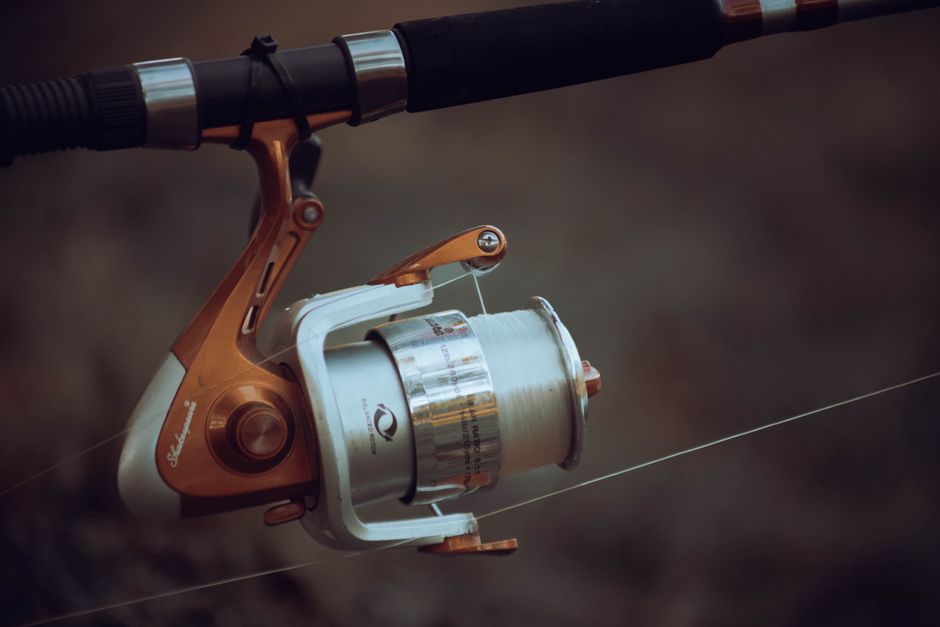
Rod and reel selection can affect the accuracy and control needed for fishing shallow cover. For topwater lures, a medium-heavy to heavy action rod with a length of 6.5 to 7.5 feet provides the casting distance and hook-setting power required. A reel with a high gear ratio (e.g., 7:1 or faster) helps pick up slack line quickly when a fish strikes. Braided line in the 30- to 50-pound test range offers low stretch and good abrasion resistance when pulling fish out of vegetation.
For plastic worms, a medium-heavy rod with a sensitive tip allows anglers to detect subtle bites. Fluorocarbon line, in the 12- to 20-pound range, provides low visibility and good sensitivity. Many anglers prefer a slower action rod for worm fishing, as it helps keep the fish pinned during the fight. If fishing heavy cover with a Texas rig, braided line can again be beneficial for pulling fish free.
Accessories such as polarized sunglasses improve visibility below the surface, making it easier to spot structure and fish. A net with a wide hoop and rubber mesh reduces the chance of snagging hooks and harming the fish. Keeping extra hooks, weights, and a selection of worm colors ready can save time when conditions change. Angler’s Edge offers a range of rods and reels designed for these situations, but the specific gear choice ultimately depends on personal preference and the waterbody being fished.
Maintaining gear before and after the trip also contributes to consistent performance. Checking hooks for sharpness, lubricating reels, and respooling line that shows wear ensures that equipment functions when it matters. While gear alone does not determine success, reliable equipment allows the angler to focus on the nuanced presentation and observation that early morning bass fishing requires.